
Wet summers – what it means for your herd
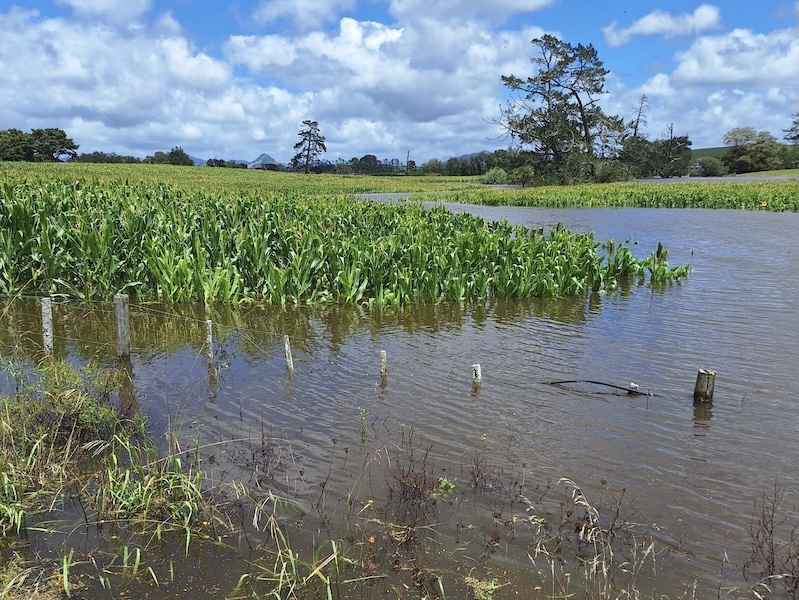
 After the wild weather that’s affected parts of the North Island in recent weeks, many farmers are now dealing with a lot of moisture in the ground. While having green grass in February may be a welcome sight, unfortunately it comes with some significant challenges. More moisture = more humidity = increased risk of heat stress, mycotoxins and facial eczema (FE).
Mycotoxins thrive in warm, wet, humid conditions. We know they are out there but the reality is mycotoxins are invisible to the naked eye and difficult to test for. There could be any number of toxins out there at any one time, consumed in every mouthful of feed and pasture. Using a mycotoxin binder is your best chance of stopping the toxins impacting your herd. At 10-20g/cow/day it is a small inclusion that can have a big impact.
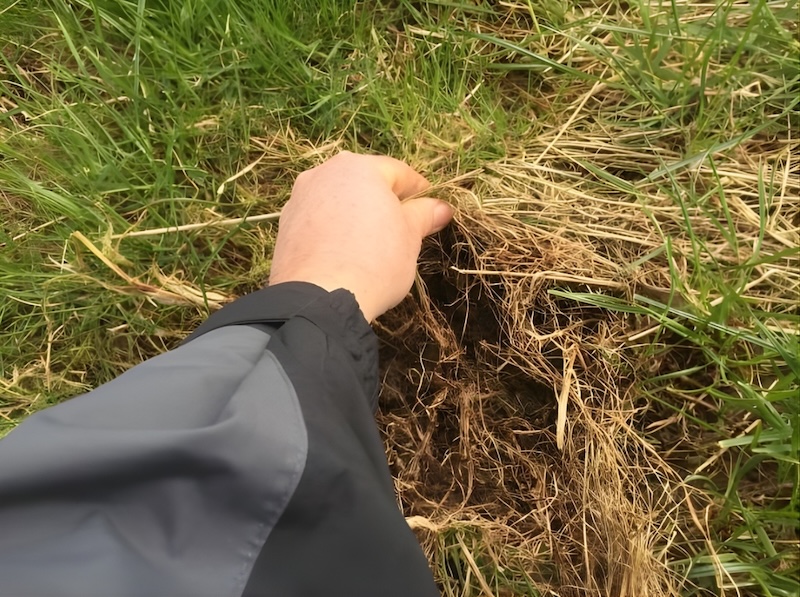
One of the mycotoxins we all know about is sporidesmin, the toxin responsible for facial eczema. It is likely that spore counts will rise quickly in the next few weeks as soil temperatures are already warm. To prevent it damaging the bile ducts and the liver, zinc supplementation is necessary. When it comes to FE prevention, we understand that no two farms operate the same. That’s why Nutritech have a range of FE prevention options to deliver zinc and valuable trace minerals via water, feed, drench or a convenient loose lick.
- NutriMin® Zinc range – ideal for farmers wanting consistency through silage, PKE or in-shed feeding.
- AquaMin® Zinc range – water‑treatment options that are cost effective and easy to use
- FloZinc® – for those who like to drench, FloZinc® provides targeted, accurate, and reliable dosing for individual cows
- DanMix® Zinc – free choice loose lick blend – perfect for youngstock or drystock out grazing. Often used on the shoulders of the season when spore count trends are difficult to predict.
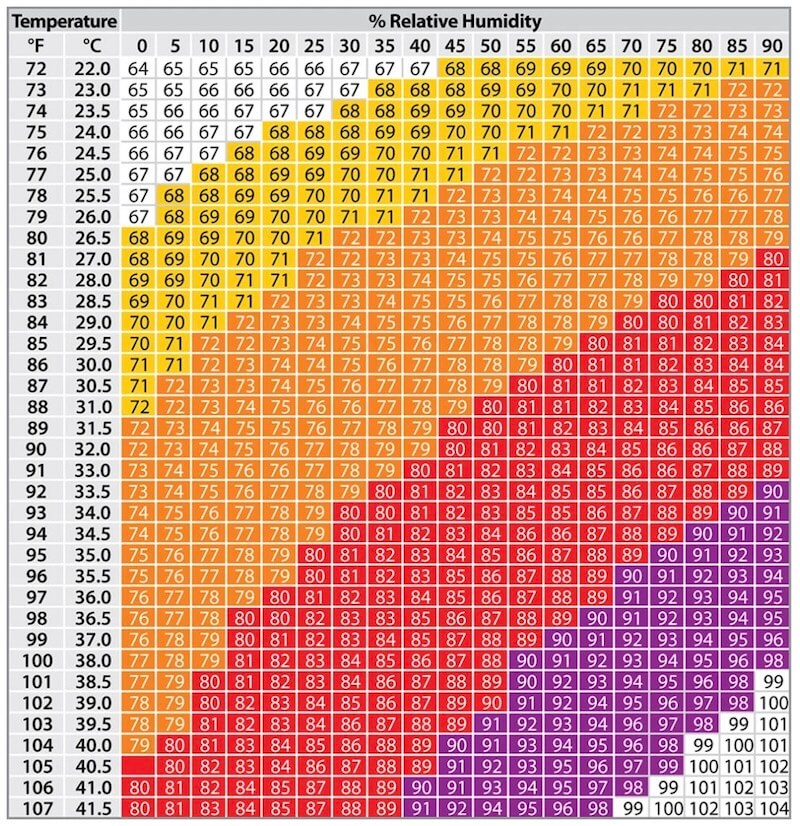 Lastly, when it comes to wet and warm humid summers, we cannot forget the increased risk of heat stress driven by the increase in humidity. At 80% humidity moderate heat stress will occur at just 24˚C and severe heat stress will occur at 29˚C. It might not seem like there are a lot of nutrition interventions that can help, but in fact it is one of the best tools you have. For example:
- Levucell®SC live yeast has been proven in independent, peer reviewed research to increase milk yield, improve the efficiency of feed conversion into milk, increase diet digestibility, and raise ruminal fluid pH during heat stress.
- Mycotoxin binders help maintain blood flow, increasing the ability for the cow to dissipate heat
- Antioxidants like Melofeed®, organic selenium and vitamin E that can be found in Nutritech’s Rumen Health Pack (https://www.nutritech.co.nz/product/rumen-health-pack) can support the herd while there is increased respiration and metabolic activity.
Wet, and therefore humid, summer weather brings a unique mix of opportunities and challenges. Reach out to your Nutritech team to get prepared early before the mycotoxin, facial eczema and heat stress really start to peak in the next few weeks.
1 Perdomo, M.C. et al., (2020). Effects of feeding live yeast at 2 dosages on performance and feeding behaviour of dairy cows under heat stress, Journal of Dairy Science, 103(1).