
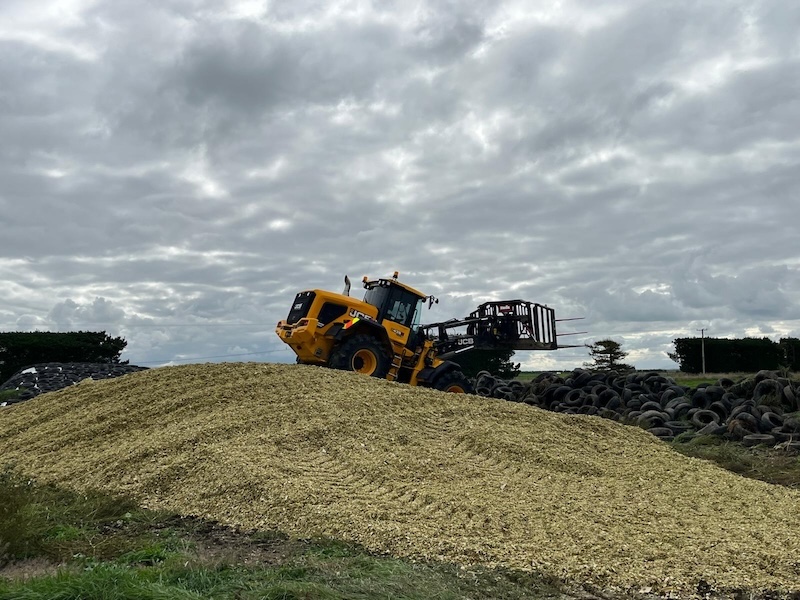
Enzymes play a crucial role in unlocking more value from your silage. By breaking down fibre and releasing sugars, they support faster fermentation, better preservation, and improved digestibility for livestock. The result is more stable, higher quality silage and stronger animal performance.
Why Enzymes Matter for Fermentation
Fermentation relies on sugars. When conditions such as dry weather, overcast days, or naturally low sugar crops reduce sugar content, lactic acid bacteria can struggle to drop the pH quickly enough. Enzymes such as cellulase (betaglucanase) and xylanase release additional sugars by breaking down cell wall fibre into usable glucose and other fermentable carbohydrates. This fuels faster acid production and a more efficient fermentation. For maize silage this is particularly important for the stover – a big proportion of your crop that can drag down the silage quality if it cannot be fermented well.
Why Enzymes Improve Feed Value
Enzymes don’t just support fermentation—they improve the digestibility of the final feed. Breaking down fibre during ensiling begins a “predigestion” process that makes forage easier for rumen microbes to use. This leads to higher energy availability and better performance.
Data It has been consistently shown that improving NDF digestibility (NDFd) by even a few points can lift performance significantly¹:
- Each point of NDFd = +0.25 L milk
- Enzymes typically add 2–5 points of NDFd, equal to around 0.5 L more milk per kg of feed
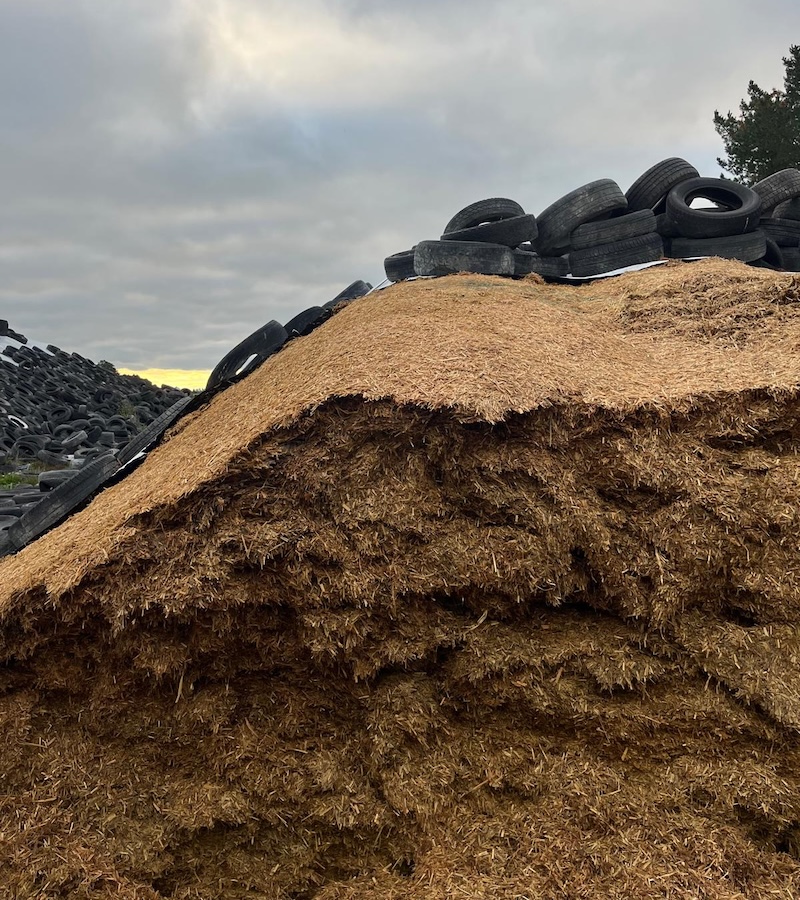
Reducing silage spoilage is also critical for improving NDFd – Feeding just 5% spoilage can drop NDFd by 7 points, costing farmers up to 1.8 litres of milk per cow per day.
By using MAGNIVA Platinum you increase NDFd and milk production both ways – by reducing silage spoilage and improving fibre digestibility. This means more of your silage is actually working for you—not against you. Read More
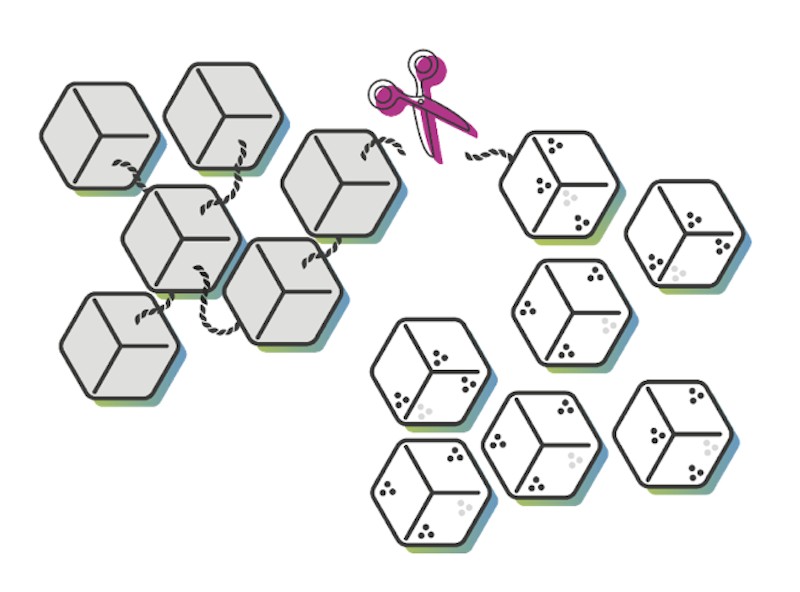
Enzymes in MAGNIVA® inoculant start the hard work to make it easier for livestock – by ‘pre-digesting’ fibre molecules it makes the plant sugars more available for both fermentation and rumen bacteria.
1Allen, M (1999). Evaluation of the importance of the digestibility of neutral detergent fiber from forage: Effects on dry matter intake and milk yield of dairy cows. Journal of Dairy Science 82:589-596