In the Media

PRACTICAL ADVICE

We are frequently asked by publications to help provide insight into essential and prevalent issues. These include animal nutrition features written by our technical specialists. Practical advice that works made available to you. Sit back and have a read.

Can you afford not to treat your silage?

Did you know that poorly managed and untreated maize can be subjected to significant losses of nutritional quality and volume? On a dry matter basis there can be 20% or greater losses of silage, which in a time where purchased feed cost is so high, this can have a devastating impact on farm profitability. Many […]

Uncategorized

The role of fibre in silage and animal nutrition

Increasing intakes of high-quality silage are crucial to driving on-farm profitability, but to achieve this, we must first understand the role of fibre. Fibre plays a vital function in milk production and the utilisation of silages, influencing rumen function and regulating total dry matter intakes. Crop growers and maize silage makers should plan to produce […]

Uncategorized

Rearing Autumn Calves

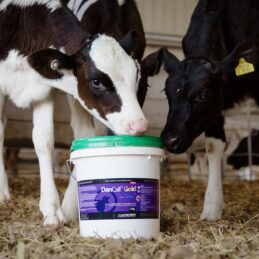
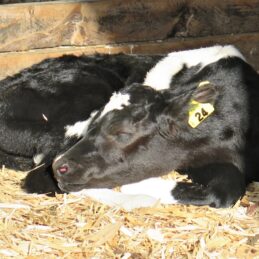
Rearing calves in the autumn has a different set of environmental challenges than calves traditionally reared in springtime in New Zealand. Weather conditions tend to be warmer and drier in autumn so the challenges of maintaining hygiene in calf sheds is easier with less moisture in the bedding material. Additionally, the nutritional energy demands of […]

Uncategorized

Don’t feed spoilt silage!

Spoilage found on the top and sides of stacks, which can be dark and slimy or contain visible mould, should not be fed to livestock. Studies have shown that including a small amount of spoilt silage (eg top spoilage) with mostly well fermented silage can have a detrimental effect on the digestibility of the whole […]

Uncategorized

Mycotoxins: a constant threat

Mycotoxins occur in animal feeds when moisture and temperature (humidity) combine to allow the growth of fungi which, when stressed, produce mycotoxins. Specific mycotoxins, when present in sufficient quantities, will cause a range of symptoms from behavioural issues to reproductive and immunological disorders. These mycotoxins are present in most plant feedstuffs including grain (wheat maize, […]

Uncategorized

Protect your wholecrop cereal silage

Wholecrop cereal silage is an excellent feed source. However, it has a high risk of spoilage due to the hollow stems that trap a lot of air, and also due to the grain content which spoilage yeasts and moulds thrive on, especially in the presence of oxygen. With wholecrop cereal silage harvest just around the […]

Uncategorized

SCIENTIFIC CORNER

Protein digestibility kinetics: A key criterion for discriminating protein sources in feeds. Proteins are biological macromolecules made up of amino acids. Protein bioavailability is strongly related to its amino acid composition, size, and mass range. Big proteins, protein-associated molecules and nucleic acids have lower digestibility than free amino acids and small peptides, which have been […]

Uncategorized